
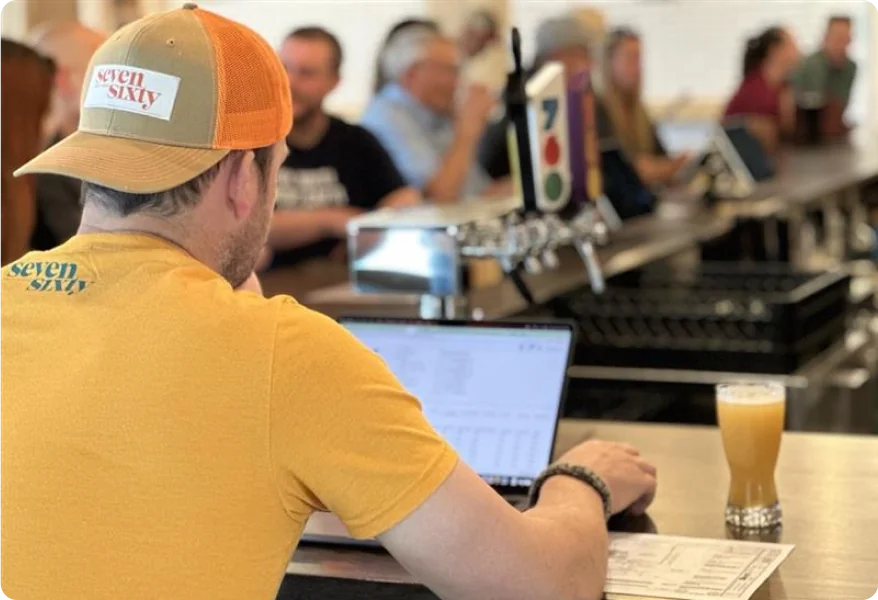


By: Chris Farmand, Founder of Small Batch Standard
Last week marked the 32nd industry event that Small Batch Standard has been invited to speak at over the past year. We primarily attend state guild conferences, but we’ve also spoken to purchasing groups and other craft producers including distilleries, cideries, and wineries.
My main takeaway?
The brewing industry isn’t doing as bad as you might think.
Despite what you may be hearing, there are breweries generating sizable profits.These breweries aren’t re-inventing the wheel, they are blocking and tackling at the most basic level.
They’re discovering profit by:
Creating experiences that generate repeat taproom business
Discontinuing wholesale SKUs that don’t make money and focusing on what does
Operating with discipline and spending as if they only have $500 left in the bank
These principles are the foundation of any healthy business, but they become even more important in industries experiencing stagnation.
Across the 136 breweries SBS currently works with, we’ve noticed clear patterns among the most successful ones. Their profitability isn’t accidental, they operate within firm guardrails that keep their business on track.
Those guardrails are benchmarks.
When followed consistently, benchmarks act like breadcrumbs leading to profit. Many of them can be calculated quickly and acted on immediately.
Here are the five benchmarks our most successful clients review regularly:
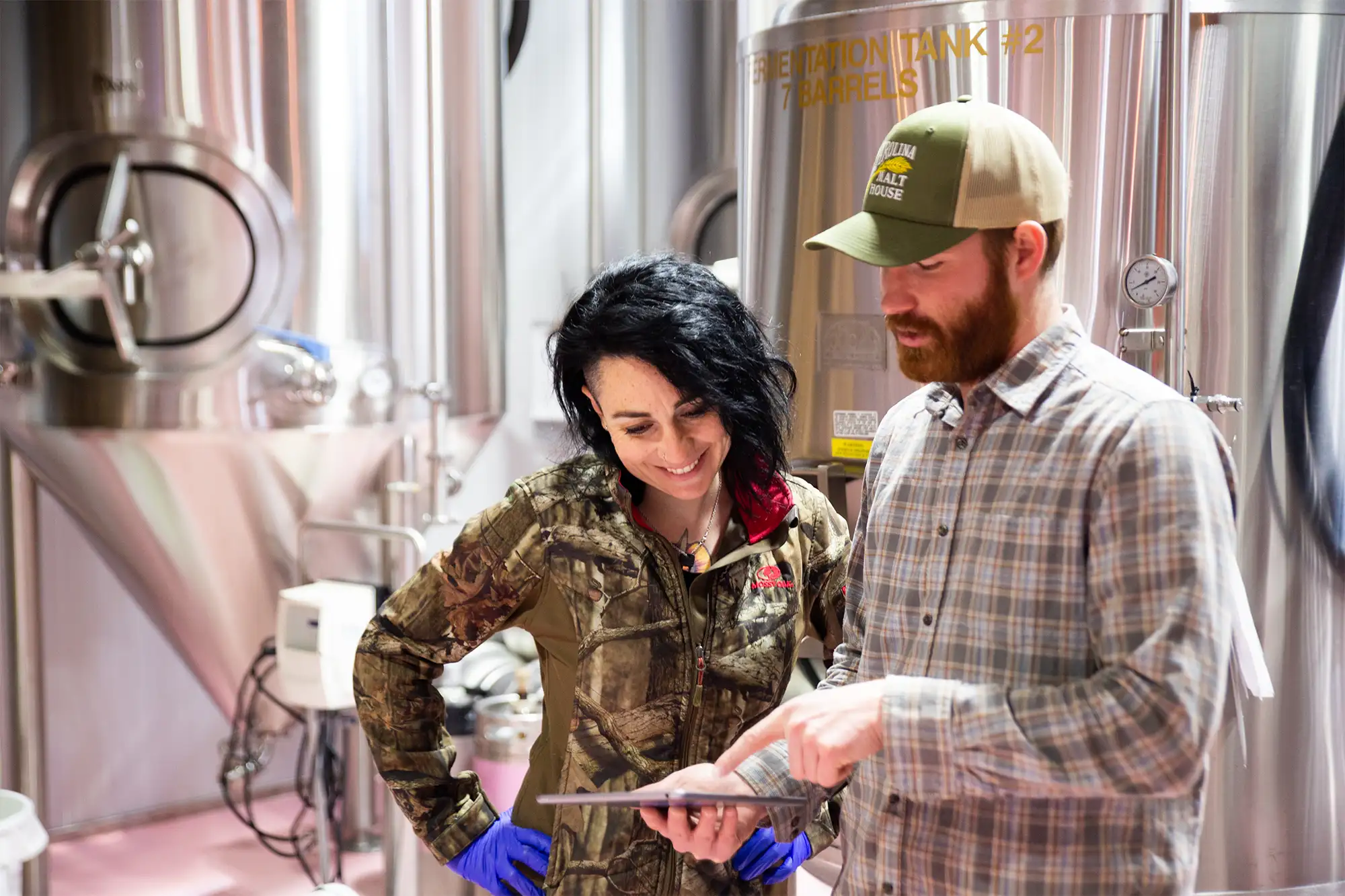
Taproom Revenue per BBL
As you know, your taproom is your profit engine. Beer sold through the taproom carries significantly higher margins than food, merchandise, tours, or other offerings.
- Our benchmark: $1,300–$1,800 per BBL
- To calculate: Take total taproom beer sales and divide by the number of BBL sold.
- If you fall below this range, it may be time to evaluate pricing. If you’re within range, you’re likely in a healthy position.
Labor as a Percentage of Revenue
Labor will always be one of your largest expenses. We never lump all labor departments into one bucket but rather break it out into Production, Taproom, Admin, and Outside Sales. The departments give us the visibility to see where we are excelling and where we need to improve.
Benchmarks:
- Production: 10–12% of beer sales
- Taproom (no food prep): 8–12% of taproom sales
- Admin: 3–5% of total revenue
- Outside sales: 10–15% of outside sales
Beer Yield
- Our most successful breweries target 85–92% brewhouse efficiency per batch.
- The more beer you extract from each brew, the more product you have available to sell and more sales ultimately mean more profit.
- If your Ekos yield reports fall below this range, it’s worth reviewing processes with your production team.
Occupancy as a Percentage of Revenue
- At SBS, we define occupancy as rent plus utilities.
- This benchmark helps determine whether your space is working for you. Brewing in a retail-focused space or opening a taproom in an industrial park with limited traffic can make profitability much harder.
- Benchmark: 8–12% of revenue
EBITDA as a Percentage of Revenue
- This is our north star metric for overall business health.
- EBITDA represents the cash available to pay owners, service debt, reinvest in equipment, and purchase ingredients.
- For breweries, we separate EBITDA by business unit:
- Taproom: 8–24%
- Wholesale: 1–5%
These are the five benchmarks that highly successful breweries monitor consistently.
If you’re interested in digging deeper, join us on Monday, April 20 at CBC for our Brewery Profit Workshop. During this full-day session, we’ll plug your brewery numbers into our simple templates to help identify immediate opportunities to improve profitability.