
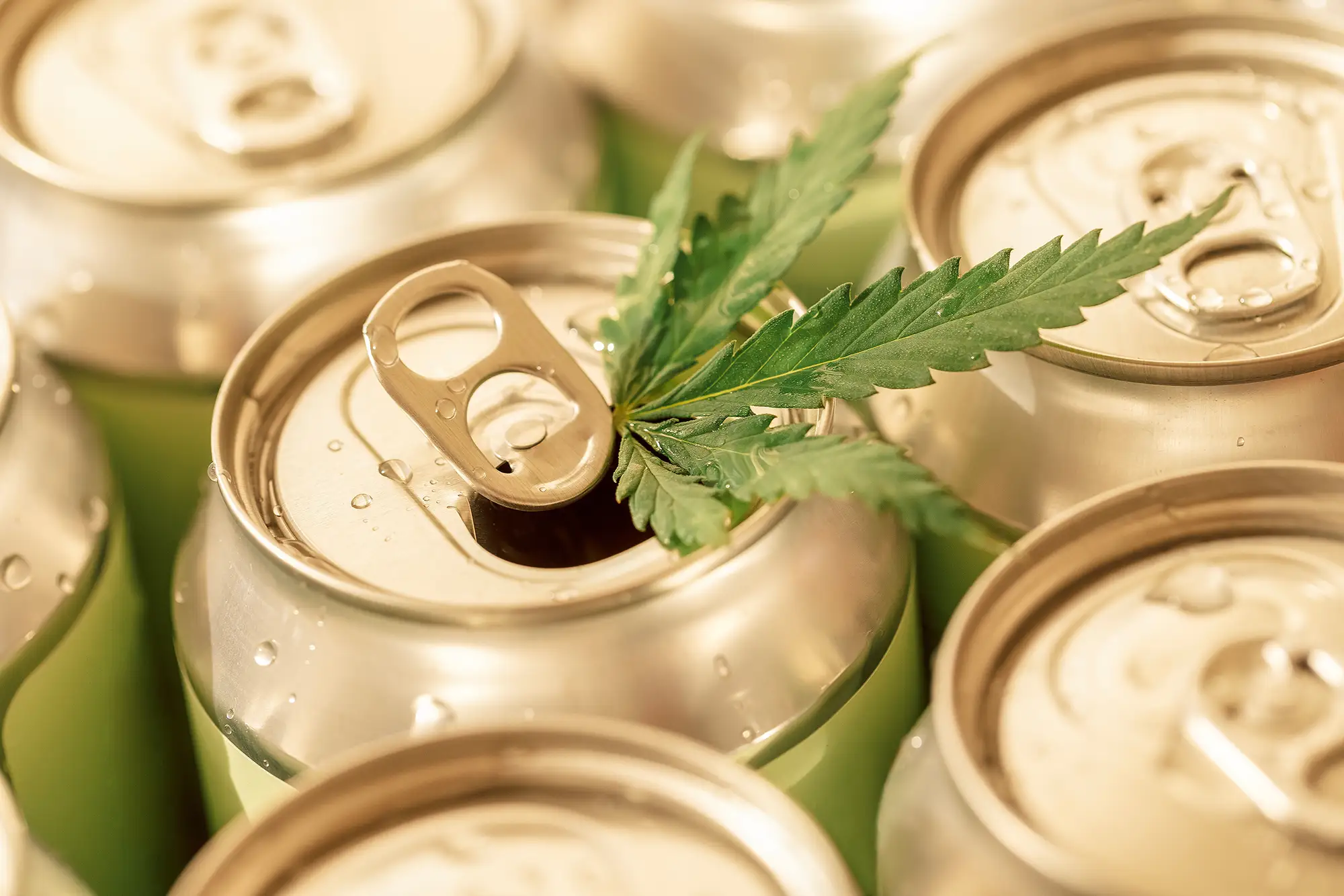


The regulatory landscape for hemp-derived THC beverages is undergoing a dramatic shift. If you’re a brewer or beverage manufacturer experimenting with infused seltzers, low-dose THC drinks, or other cannabinoid-forward beverages, the latest federal action has major implications.
A new provision tied to the federal hemp framework effectively shuts the door on the loophole created by the 2018 Farm Bill, which had enabled psychoactive hemp-derived beverages to flourish in many states. With this update, numerous products that previously qualified as “hemp” may now fall outside the legal definition — and could soon be prohibited or heavily restricted.
This guide explains what changed, why it matters, and how breweries and beverage producers should prepare for the coming regulatory shift.
Key Changes in the New Federal THC–Hemp Measure
Here’s a simplified breakdown of the core changes:
- A narrower definition of hemp: The federal government now excludes products containing more than minimal THC — including THCA — or any cannabinoids created synthetically or through chemical conversion.
- A strict THC limit per package: The updated framework introduces a maximum of 0.4 mg total THC (including equivalents) per finished container — far below today’s common 2–10 mg offerings.
- The THCA loophole is officially closed: Total tetrahydrocannabinols — not just delta-9 THC — now determine legality.
- A one-year compliance window: Producers have roughly 365 days from the law’s effective date to update formulas, packaging, and compliance procedures.
- Federal rules override permissive state policies: States that previously allowed hemp-derived intoxicants may no longer be able to authorize them under the new federal definition.
Why Brewers & Beverage Producers Should Care
For breweries and emerging beverage brands that have leaned into hemp-derived THC drinks, the stakes are significant:
- Product reclassification risk: Beverages marketed as “hemp-derived THC” may now fall under controlled-substance status if they exceed the new THC limit.
- Market disruption: Hemp-THC drinks have become a diversification lifeline for many craft brewers; this segment may shrink or disappear under the new restrictions.
- Formulation challenges: Current products — often 5 mg, 10 mg, or more per can — will not meet the 0.4 mg threshold without major reformulation.
- Regulatory and investor pressure: Distributors, banks, and partners may become wary of handling products near the compliance line.
- Reputation management: If a once-legal product becomes federally unlawful, it may create trust and liability issues.
Immediate Effects & Industry Risks
Brewers and beverage producers should anticipate several near-term impacts:
- A short countdown clock: With only one year to comply, any existing inventory may need to be sold through or reformulated.
- Risk of obsolete SKUs: Products currently on shelves or in R&D may no longer be viable under the new definition.
- Stricter testing protocols: Compliance now requires verifying total THC (including THCA and related compounds), not just delta-9 content.
- Distribution and financial hurdles: Federal reinterpretation may cause distributors and financial institutions to distance themselves from borderline products.
- Industry upheaval: Some producers will exit the market, while others may pivot early and gain an advantage.
- Cost burdens: Reformulation, packaging changes, legal reviews, and lab testing all add financial strain — especially for small breweries.
Strategic Steps for Breweries & Beverage Producers
To navigate the transition, consider the following actions:
- Audit your catalog: Identify any products containing hemp-derived cannabinoids and evaluate whether they exceed the 0.4 mg threshold.
- Reformulate if needed: Explore lower-dose alternatives or non-THC versions of your beverages.
- Update labeling: Ensure product packaging reflects total cannabinoid content and aligns with emerging federal and state rules.
- Consult legal counsel: Work with attorneys who specialize in hemp and cannabis regulations to avoid accidental non-compliance.
- Verify suppliers: Ensure your ingredient providers can certify that their extracts meet the new federal standards.
- Communicate with partners: Distributors and retailers should be informed of your compliance plan and any product changes or discontinuations.
- Prepare contingency plans: Consider backup product lines — such as CBD-only beverages, NA craft beer, or non-infused functional drinks.
- Monitor state updates: As states adapt their own laws, requirements may shift further.
- Adjust marketing language: Messaging that highlights psychoactive effects may soon carry additional legal or compliance risk.
FAQs for Brewers & Beverage Producers
Q: When will these rules take effect?
A: The legislation includes a one-year transition period. Most products will need to comply within 365 days of enactment.
Q: Are all hemp-derived cannabinoids banned?
A: Not entirely. However, any product containing more than trace THC or using synthetically modified cannabinoids will fall outside the legal definition. Some non-intoxicating CBD products may remain permissible.
Q: Do federal rules override more lenient state laws?
A: Yes. States with permissive hemp-THC beverage laws may be preempted by the new federal definition.
Q: My beverage contains 5 mg THC per can. Is that allowed?
A: No. Products above 0.4 mg THC per container will not meet the new definition and may need to be withdrawn or reformulated.
Q: Could my non-compliant drink be considered a controlled substance?
A: Potentially. If it no longer qualifies as hemp, it may be treated similarly to marijuana products under federal law.
Q: Do these rules apply to alcohol manufacturers?
A: Yes — any beverage containing hemp-derived cannabinoids is subject to federal hemp regulations, regardless of whether it is also considered an alcoholic beverage.
Q: Can I still make CBD beverages?
A: Possibly, if the product meets THC limits and avoids restricted cannabinoids. Always confirm with regulatory counsel.
Q: What about micro-dose drinks (2–3 mg)?
A: These would still exceed the 0.4 mg per-container cap, making most micro-dose THC beverages non-compliant.
Q: How should I communicate this to my business partners?
A: Transparently explain that regulatory changes may require reformulation, discontinuation, or timing shifts for infused products.
Conclusion
The new federal approach to hemp-derived THC marks a major turning point for brewers and beverage makers. The once rapidly growing category of hemp-THC drinks will face strict new limits, and many current products won’t survive without substantial changes.
By assessing your portfolio early, making strategic adjustments, and staying on top of evolving regulations, your business can navigate this shift — and potentially uncover new opportunities as the market reshapes itself.