

The last several years have introduced many changes to the industry landscape for alcohol producers. From the boom in popularity and availability of hard seltzers to supply chain and distribution challenges due to the pandemic, industry trends are keeping alcohol producers on their toes. A new contender is grabbing attention: cannabis-infused beverages, also known in the industry as “cannabev”. These drinks are not just a passing fad; they’re poised to capture a significant market share and challenge traditional alcohol producers
Trend Watch: Cannabis-Infused Beverages
The buzz around cannabis-infused beverages has transformed from a budding trend into a full-fledged market disruptor. The industry is no longer in its infancy; it’s a rapidly growing force that is capturing a significant share of the overall beverage market.
According to recent market analyses, the cannabis beverage market is valued at over $1 billion in 2025 and is projected to see a compound annual growth rate (CAGR) of over 20% in the coming years. This explosive growth is driven by several key factors:
· Shifting Consumer Preferences: A growing number of consumers are actively seeking alternatives to alcohol, a movement often referred to as “sober curious.” Cannabis beverages offer a low-calorie, hangover-free option that provides a similar social experience to drinking alcohol.
· Widespread Legalization: The ongoing trend of cannabis legalization at the state level across the U.S. and in other countries is directly fueling this growth. As more states legalize both medical and recreational use, the market for these products expands exponentially.
· Technological Innovation: Advancements in nanoemulsion technology have been a game-changer. This technology allows for the THC and CBD in the drinks to be absorbed much faster and more predictably by the body, providing a rapid onset of effects that more closely mimics the experience of drinking alcohol.
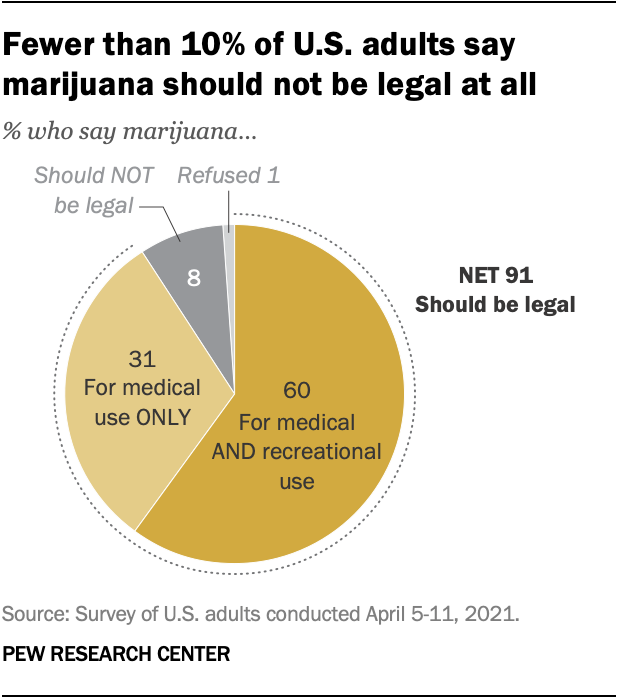
In 2021: One key factor to know for alcoholic beverage producers: federal regulations prohibit the production and sale of alcoholic beverages that contain controlled substances. Even though some states have legalized medical and/or recreational marijuana, it remains illegal on a federal level, which thus far has limited the growth of companies aiming to popularize cannabis-infused products. Marijuana is still a controlled substance under federal law, which prohibits its addition to alcoholic beverages. These cannabis-infused beverages on the rise are non-alcoholic.
For alcohol producers, the regulatory landscape for cannabis remains the most critical factor. Federal law still prohibits the production and sale of alcoholic beverages containing controlled substances, and cannabis is a complex case. While many states have legalized medical and/or recreational cannabis, it remains a Schedule I controlled substance on the federal level, which limits the growth of companies aiming to popularize cannabis-infused alcoholic products.
However, a significant development has been the rise of the hemp-derived THC market. Thanks to a loophole in the 2018 Farm Bill, hemp-derived products containing less than 0.3% Delta-9 THC by dry weight are federally legal. This has created a massive, unregulated industry for non-alcoholic, hemp-derived beverages. This is the category that is seeing explosive growth and is competing directly with alcohol in retail stores and on-premises. These beverages are entirely separate from the regulated, state-by-state marijuana market, and they pose a unique challenge to the traditional alcohol industry
What Is a Cannabis-infused Beverage?
Cannabis-infused beverages generally contain both CBD, which is legal in many U.S. states, and THC, the psychoactive component of marijuana, which remains illegal in some states and under federal law.
The cannabis beverage industry has grown in recent years as technology improvements have made cannabis-infused beverages more feasible. Cannabis is fat-soluble, which makes it difficult to dissolve in water. It can be dissolved in alcohol, but for the regulatory reasons we’ve mentioned, that isn’t an option for U.S. beverage producers. Improvements in emulsifiers have made cannabis-infused beverages better tasting and more consistent in dosage.
Cannabis-infused beverages are available in a range of varieties that mimic existing alcoholic beverage options. There’s wine, seltzer, cider, beer, spirits, and pre-mixed cocktails — all without any alcohol content and containing different quantities of THC and/or CBD. There are even powdered drink mixes similar to those sports drink mixes that you can mix into your water at home. These drinks include brands like:
- CANN, the “cannabis-infused social tonic.” Sparkling mixed drinks in flavors like grapefruit rosemary and ginger lemongrass.
- Recess, the millennial-chic cannabis-infused sparkling water. Last year, Recess announced a partnership with alcohol distributor Breakthru Beverage Group.
- Rebel Coast, maker of infused seltzers and non-alcoholic cannabis-infused wines.
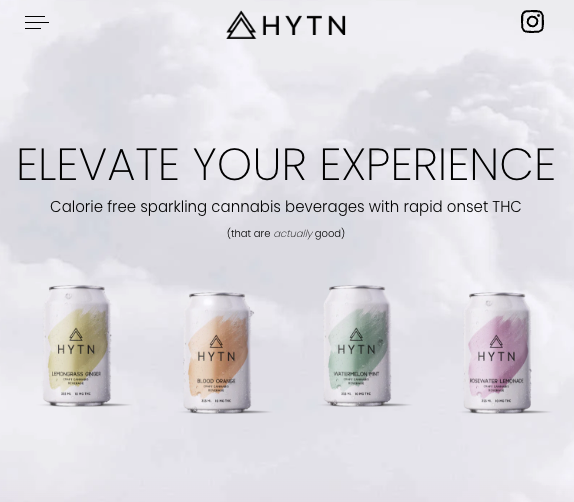
- HYTN, calorie-free sparkling cannabis beverages with rapid onset THC.
Cannabis is absorbed faster when consumed in liquid than when it’s consumed in food (edibles). Faster absorbance means the effects fade faster, making it more suitable for consumption in settings where consumers might normally choose an alcoholic beverage, like at bars or parties.
The Legal landscape in 2025
The cannabis-infused beverage industry’s journey from a niche trend to a multi-billion-dollar market has been a direct result of ongoing regulatory shifts. While the industry’s growth was once severely inhibited by a complex patchwork of state and federal laws, that patchwork has become the very foundation of its success.
As of late 2025, 24 states and Washington, D.C. have legalized recreational cannabis, with a total of 40 states and D.C. now having some form of medical or recreational program. This ongoing wave of state-level legalization is the single biggest driver of the market. In
these legal states, consumers are embracing cannabis-infused beverages as a new and exciting option.
The debate on federal legalization continues to be a major factor. The most significant development is the move by the DEA to reschedule cannabis from a Schedule I to a Schedule III substance. While this would not make recreational use federally legal, it would be a landmark step that could unlock opportunities for research, interstate commerce, and major tax relief for cannabis businesses. This potential shift, alongside the continuous stream of state-level ballot initiatives, underscores that the industry’s growth remains keenly tied to political and legislative developments.
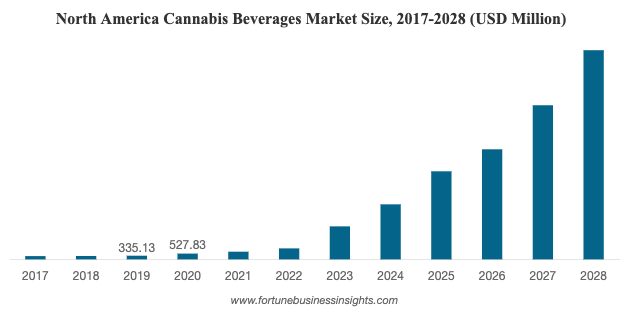
We will likely see further progress in the push for marijuana legalization in the coming years. Of course, there’s always a chance things could go in the opposite direction, depending on the political landscape. The cannabis beverage industry is unique in that its growth keenly depends on politicians’ machinations. Still, all signs point to more regulation relaxation and potentially nationwide legalization.
A Wellness Option?
Alcohol producers should know that the cannabis-infused beverage industry is leaning heavily into a marketing angle of wellness and health with their products. Industry leaders are capitalizing on cultural changes that have many consumers questioning their intake of sugar, alcohol, and other substances. Because their drinks are alcohol-free and often low in calories, marketing teams play up cannabis-infused beverages as a “health option” that can help us sleep better and relax.
Health-conscious consumers are increasingly sober curious or even “Cali sober”, the anachronistically named term for partially or completely replacing alcohol consumption with “less harmful” alternatives like cannabis. Alcohol can have negative health effects and should certainly be consumed in moderation. But marketing cannabis as a health option is disingenuous at best. Marijuana can also cause ill health effects, from memory problems to addiction to psychosis. Regardless of their accuracy, it’s important to familiarize yourself with the marketing angles cannabis beverage companies are using.
Possible Effects on the Alcoholic Beverage Industry
- With the expanding growth of the wellness market in the United States, alcohol producers are going to have to reckon with the growth of these healthier beverage options.
- As the cannabis-infused beverage market share grows, shelf space for beer and wine in stores may shrink. It happened with hard seltzers, and it will happen again.
- The fate of cannabis-infused beverages rests with its legal battle. Concerned alcohol producers should keep an eye on marijuana legalization efforts.
- The main players in this space are currently small boutique brands like CANN. But as they grow in popularity, we’ll likely see some large alcohol producers and distributors get in on the opportunity, expanding their operations as they venture into this new market. We see the beginning of this already with the recent deal between Recess and Breakthru Beverage Group.
- Continued growth of other functional beverages such as kombucha, mineral water, and herbal infusions will further shrink shelf space for craft beer options.
Alcohol producers should take note of this latest beverage-industry trend and keep an eye out for cannabis-infused beverage news in the coming months and years. Whether you see it as an opportunity to diversify your offerings or competition for shelf space, by all accounts, we will be seeing more of these beverages in the coming years.