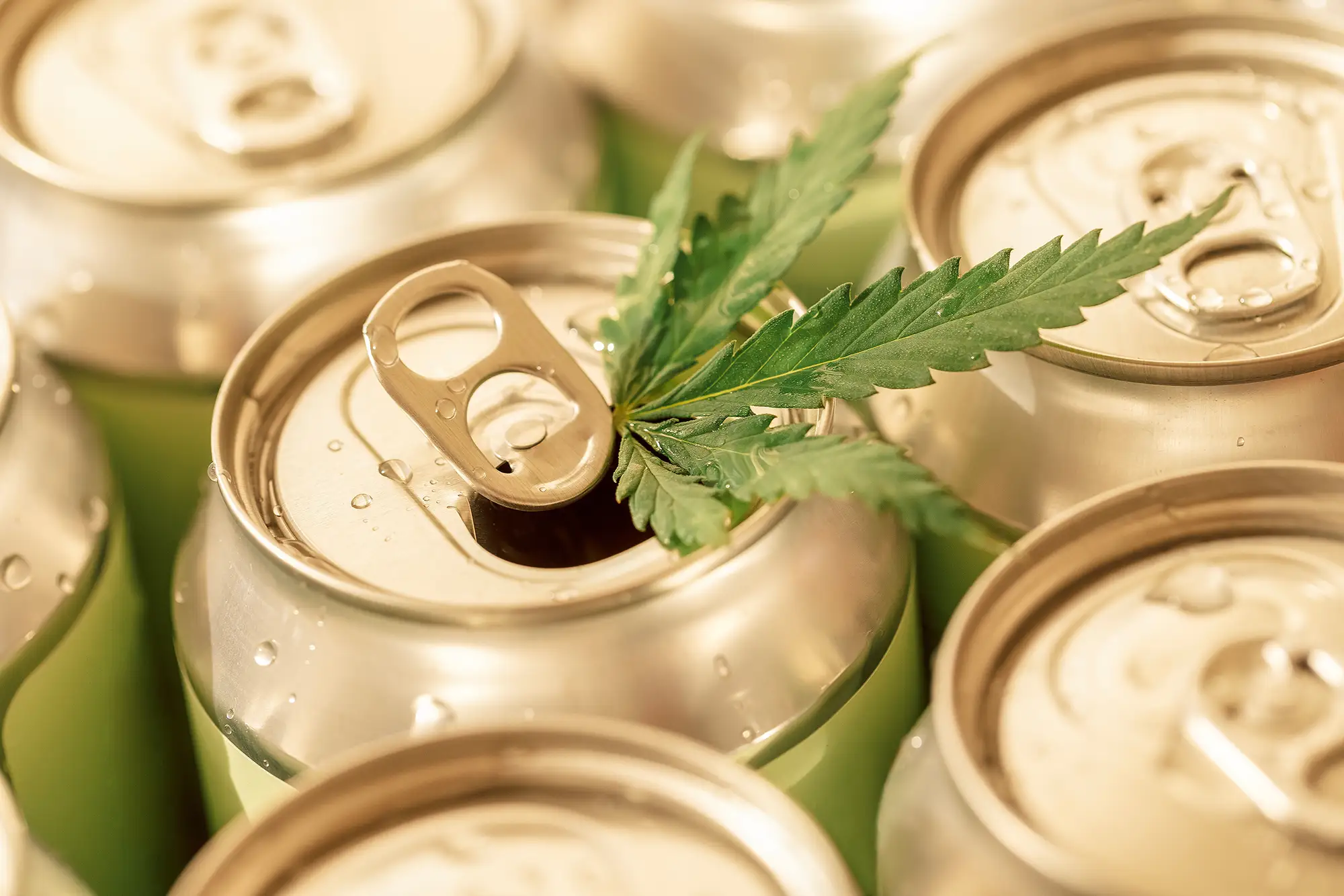


The craft beverage industry has spent years watching hard seltzer rise and plateau. Beer sales have softened. Even spirits are down. What’s filling the gap? For a growing number of consumers and breweries alike, the answer is THC-infused drinks.
THC beverages have moved from smoke shops and dispensaries into grocery stores, liquor chains, and music venues. Sales are climbing. Consumer interest is accelerating. And the brands doing it well are building genuinely loyal audiences who have, in many cases, replaced alcohol entirely.
The Market Has Already Crossed $1 Billion
THC beverages aren’t a speculative bet. They’re a category that has already arrived. Global THC beverage sales reached approximately $1.52 billion in 2024, according to Growth Market Reports, with North America accounting for more than 62% of that total. Projections put the market at $5.16 billion by 2033, growing at a compound annual growth rate of about 17%.
The THC seltzer segment, specifically, stood at $360 million in 2024 and is projected to reach more than $4 billion by 2033, a CAGR of 31.3% (Grand View Research). The category is growing faster than craft beer did at its peak.
BDSA data shows cannabis beverage sales in licensed dispensary markets reached $54.6 million in Q1 2025 alone, a 15% year-over-year increase. Markets like Michigan grew 112% in that same period, and Ohio was up 79%.
The Alcohol Decline Is Real, and It’s Driving THC Demand
The backdrop to all of this is a documented, sustained decline in alcohol consumption. According to Gallup, a record-low 54% of Americans said they drink alcohol as of last summer, down from 62% in 2023. In the first half of 2025, total alcohol beverage sales were down 3% year-over-year across major segments, per NielsenIQ.
A 2025 consumer survey from NCSolutions found that 49% of Americans planned to drink less alcohol in 2025, a 44% jump from 2023. The sober curious movement isn’t just for January anymore. Of Gen Z respondents, 65% said they planned to drink less, and 39% had committed to a dry lifestyle for the full year.
While interest in alcohol has declined, THC drinks have never been more popular, functioning as the perfect alcohol alternative. A recent THC beverage survey found that 77% of those surveyed were either drinking less alcohol or had quit alcohol entirely since trying THC drinks.
A separate Talker Research survey found that 60% of Americans believe THC products will be more popular than alcohol among Gen Z in the coming years. When given a choice of consumption method, respondents were more likely to choose a THC beverage (33%) over smoking cannabis (28%).
For breweries already watching beer volumes slip, that’s a signal worth taking seriously. THC beverages aren’t a theoretical competitor to alcohol. Consumers are actively quitting beer, White Claws, and wine, and are switching to these products instead.
Why Beverages Are Winning Over Edibles and Smoking
The growth of THC drinks isn’t just about consumers wanting an alternative to alcohol. It’s also about the beverage format outperforming other cannabis consumption methods on key dimensions.
The biggest issue with edibles is onset time. Effects can take anywhere from 30 minutes to two hours to kick in, and the experience is notoriously unpredictable. Beverages solve this through nano-emulsification, a process that breaks THC into microscopic particles for faster absorption. The result is an onset time of roughly 15 minutes, with a more predictable and controllable experience that compares to that of alcohol.
The drinkable format also gives consumers the ability to pace their intake in real time. That level of control is particularly valuable for newer users and former drinkers accustomed to moderating over an evening. It’s cleaner, more social, and more consistent than smoking or edibles.
The Retail Footprint Is Expanding
Hemp-derived THC beverages were made legal under the 2018 Farm Bill as long as they contain less than 0.3% delta-9 THC by dry weight. They can be sold through traditional retail channels that cannabis products can’t reach, including grocery stores, liquor chains, and convenience stores, as well as on-premises at bars and restaurants.
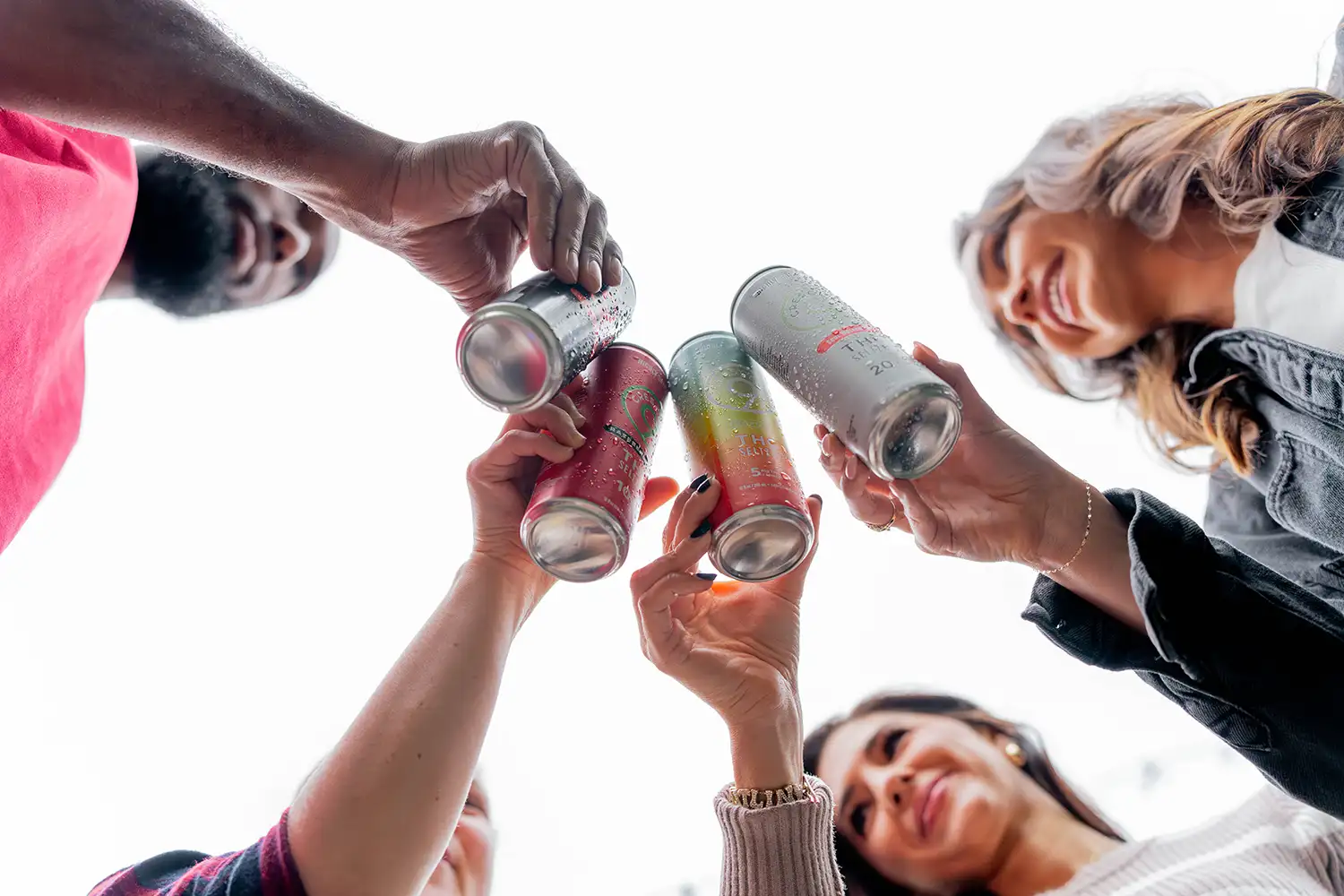
NIQ data shows 27% of Gen Z and 26% of millennials reported consuming THC beverages on-premise in the six months leading up to fall 2025. Customers are already ordering these products where alcohol is typically served, including breweries, taprooms, and music venues. For brands with strong distribution, the category has proved it can compete on grocery shelves alongside hard seltzer and beer.
A Growing Range of Formats
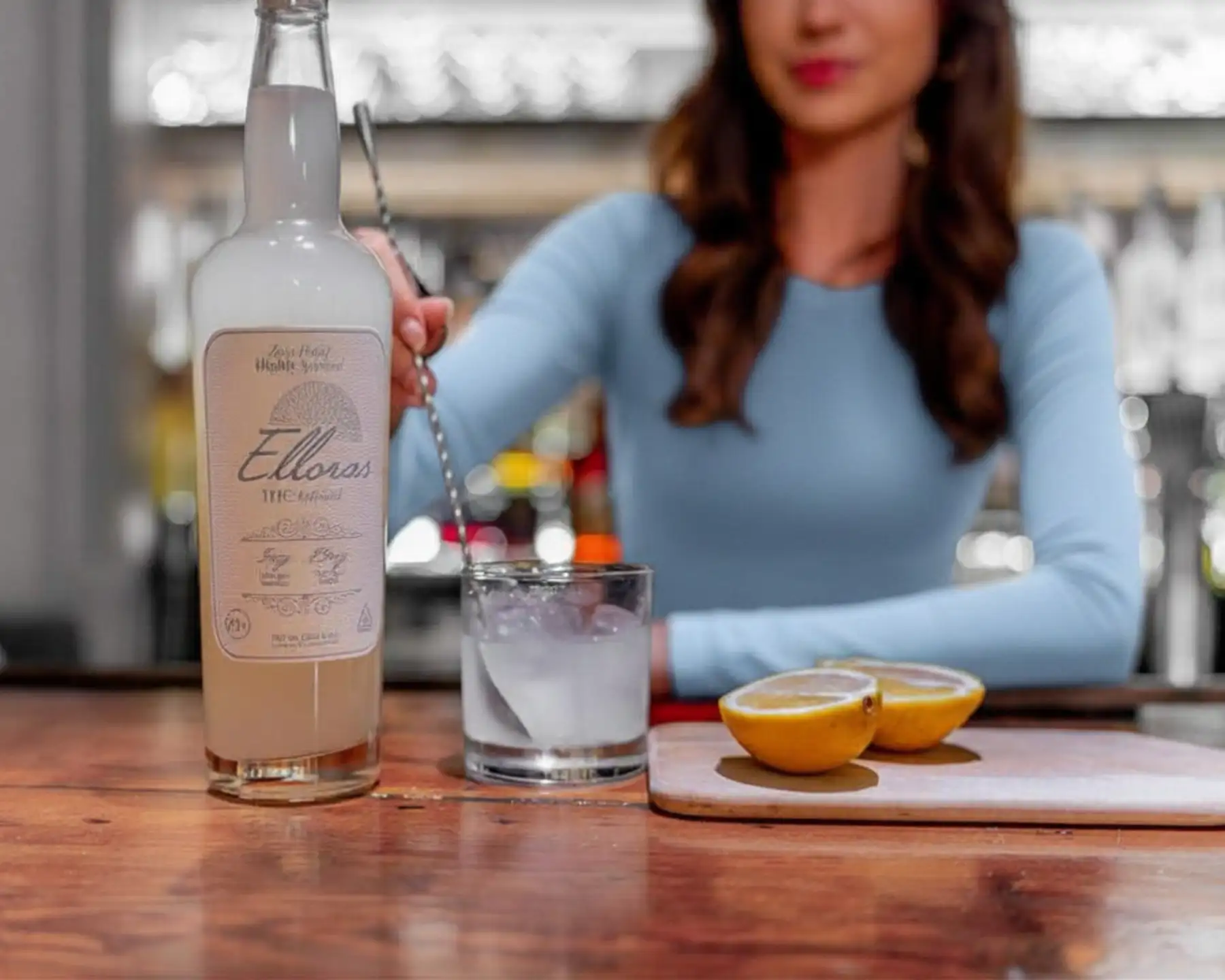
The THC beverage category has expanded well beyond seltzer. Brands are now releasing THC liquors, sparkling waters, and tonics, each targeting a different occasion or consumer preference. This format diversity reflects a maturing market, one where the question is no longer whether consumers want THC drinks, but what kind of experience they’re looking for.
This format expansion is part of what’s driving overall category growth. The more occasions these products can serve, the broader the audience they can reach.
Case Study: Crescent 9 THC Seltzer
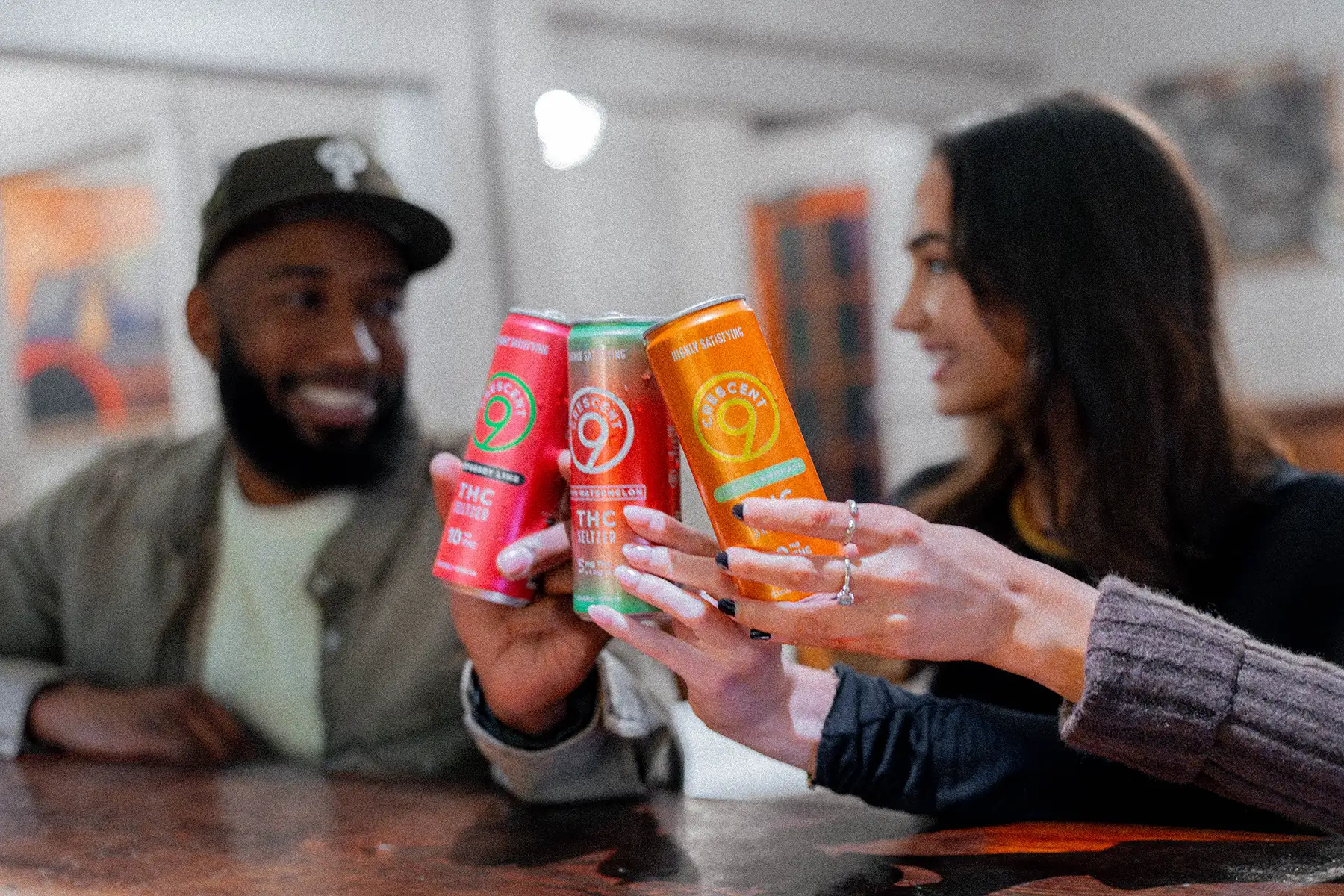
To understand what growth looks like at the brand level, consider Crescent 9 THC Seltzer.
Crescent Canna launched Crescent 9 in February 2023, and it has since become the No. 1-selling THC beverage brand.
Nationwide, the brand has sold more than 16 million cans, including 10 million in 2025 alone. It’s now carried in 20 states at more than 8,500 retail locations, with chain relationships including Total Wine & More, The Fresh Market, Circle K, Winn-Dixie, and ABC Fine Wine & Spirits.
What drives that kind of growth? Customer surveys point to a few consistent themes, including no hangover, predictable onset, and controllable dosing. The product fits into occasions people already understand: evening wind-down, cocktail hour, going out without wanting to drink. The brand also has a meaningful following among former smokers and edibles users who appreciate the beverage format’s consistency.
The Regulatory Wild Card
None of this growth has happened without uncertainty. The industry is now facing a looming federal deadline.
In November 2025, Congress passed a provision buried in a federal spending bill that rewrites the definition of “hemp” and will effectively ban most intoxicating hemp-derived products on the market if it takes effect as planned on November 12, 2026. Section 781 of P.L. 119-37 caps final hemp-derived consumer products at just 0.4 milligrams of total THC per container. Given that a standard THC beverage contains anywhere from 5 mg to 50 mg, virtually every product in this category would be banned.
The hemp industry estimates this will affect a $28+ billion sector supporting roughly 320,000 American jobs. Texas alone would see approximately 6,350 businesses close, according to the law firm Benesch. In Minnesota, where the state created a regulatory framework for THC beverages in 2022, it would affect 5,345 licensed retailers.
Bills have been introduced to repeal Section 781 entirely, delay its effective date to 2028, or replace it with a framework modeled on Minnesota’s, with age verification, testing requirements, THC limits, and labeling standards.
As of this writing, none have passed. At the exact moment consumer demand for THC beverages is most clearly documented, federal policy is moving to shut the market down. The data makes a clear case that these products are meeting real demand from adults who want a regulated, tested, legal alternative to alcohol. The solution isn’t a ban. It’s a framework that acknowledges where this market already is.
A Billion-Dollar Category You Can’t Ignore
THC beverages are not a novelty product. The market has surpassed $1 billion, the consumer base is growing across age groups, and brands that have executed well are seeing year-over-year growth that most alcohol producers would envy. For the craft beverage industry — already watching alcohol volumes decline — this is the most relevant adjacent category to understand right now.
Whether the regulatory environment stabilizes or not, the consumer demand documented here won’t. People who have replaced their evening wine with a THC seltzer aren’t going back. The question is whether federal policy will let that happen above board or push it back underground.