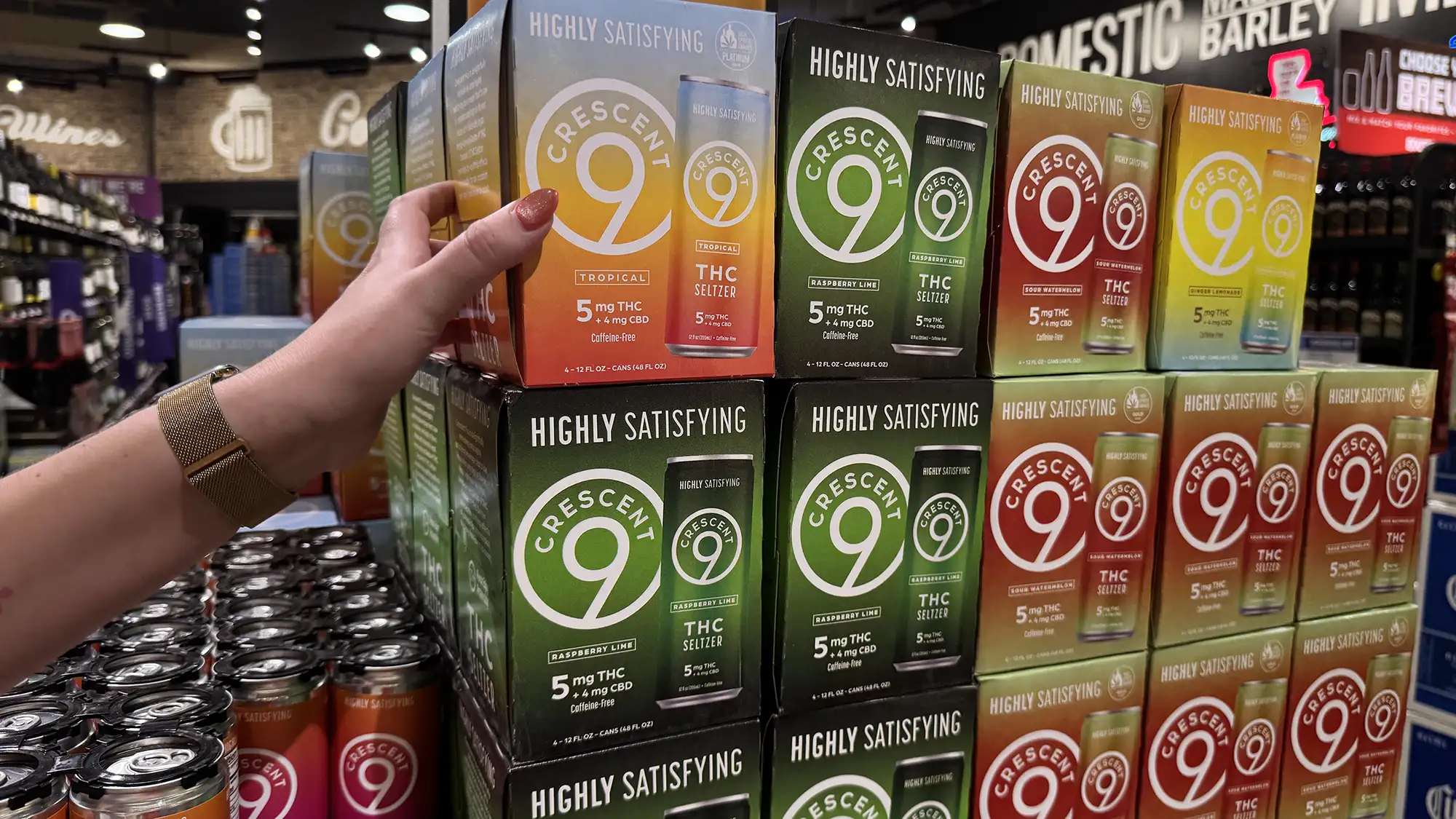


The hemp-derived THC beverage category is growing quickly. Fortune Business Insights projects that the global cannabis beverage market will grow from roughly $4.89 billion in 2025 to $6.61 billion in 2026. That kind of expansion attracts new brands, and with that comes more competition for distributor attention.
Beverage distributors hear from startups every week, most promising the same things: great taste, premium ingredients, loyal customers, and unlimited growth potential. From a distributor’s view, those pledges blur together.
The brands that win distribution aren’t always the ones with the flashiest packaging or the biggest social following. They’re the ones who can show that consumers are already buying, retailers are already reordering, and demand exists before the distributor even puts the product in their warehouse.
Whether you’re pitching a regional beer wholesaler, a beverage distributor expanding into hemp, or a multistate partner, the goal is the same: Prove that the product sells.
Distributors Don’t Buy Pitches, They Buy Proof
Every new product a distributor takes on is a financial risk. Warehouse space is tight. Sales teams have limited hours. Retail buyers expect every SKU to earn its shelf space. If a product doesn’t move, everyone in the supply chain loses money.
That’s why distributors rarely decide based on brand claims alone. A good origin story might capture attention, but it doesn’t answer the questions distributors actually care about:
- Will retailers reorder this product?
- Will consumers buy it again?
- How quickly will it move off shelves?
- Can my sales team confidently recommend it to existing accounts?
The best distributor presentations swap vague claims for hard numbers. Instead of saying your sales are growing quickly, show year-over-year case counts. Instead of claiming consumers love the product, share repeat purchase rates or retailer reorder frequency. Instead of calling your beverage an industry leader, point to third-party rankings or independent awards.
Distributors aren’t investing in your vision. They’re investing in inventory that needs to sell. The more uncertainty you remove, the easier it is for them to say yes.
Build Local Traction Before You Ask for a Meeting
A common mistake new beverage brands make is chasing statewide or national distribution before proving demand in a single market. Distributors don’t want to build demand from scratch. They want to help scale demand that’s already there.
That’s why many beverage brands start by building a following in one region before expanding into neighboring markets.
Build Awareness Through Social Venues
Where regulations allow, bars, restaurants, music venues, breweries, and event spaces give consumers a chance to discover THC beverages in a social setting.
These venues do more than generate immediate sales. They let people try your product on the occasions where they might otherwise reach for a beer or cocktail. That firsthand experience builds word of mouth in a way that traditional advertising can’t match.
Invest in Festivals and Community Events
Festivals are still a potent way to put a beverage brand in front of hundreds or thousands of potential customers over a single weekend. People can sample the product, ask questions, and connect your brand with a memorable experience.
Those interactions often lead to social posts, online reviews, and repeat purchases after the event. For emerging THC beverage companies, festivals also create a chance to connect with retailers, venue owners, and distributors who might already be attending.
Focus on Independent Retailers First
Independent liquor stores, specialty retailers, and local grocery chains tend to offer the flexibility that newer brands need.
Unlike national chains with lengthy review processes, independent retailers can move rapidly and often share useful feedback about customer preferences, pricing, merchandising, and shelf velocity. They also produce something every distributor wants to see: reorder data.
Support Retail Placements with Marketing
Getting onto shelves isn’t enough. Consumers have to know your product exists. Brands that draw the most distributor interest back their retail footprint with consistent marketing.
- Geo-targeted digital ads around retail partners
- Influencer collaborations with local creators
- Email and SMS campaigns announcing new retail locations
- In-store sampling and educational events
- Retailer co-marketing campaigns
- PR coverage in local business and beverage publications
- User-generated content of customers drinking the product
Together, these tactics create consumer pull. When customers start walking into stores and asking for your beverage by name, distributors notice.
Get on the Distributor’s Radar Before You Pitch
A persistent misconception in the beverage industry is that distributors discover brands through cold calling. Sometimes they do, but more often, they’ve already heard about the brand before the first email arrives.
Good distribution conversations rarely start with an unsolicited message. They start after a distributor has seen your product at a trade show, noticed it on LinkedIn, heard retailers talking about it, or watched consumers seek it out in stores.
Successful brands don’t just pitch distributors. They market to them first.
Use LinkedIn to Build Industry Relationships
For many founders, LinkedIn feels like a recruiting platform. It’s also an easy way to stay visible to distributors, beverage executives, and retail buyers. Instead of leading with a sales pitch, focus on joining the conversation. Share updates people care about.
- New retail partnerships
- Product launches
- Awards and certifications
- Festival appearances
- Retail expansion milestones
- Consumer testimonials
- Press coverage
- Sales breakthroughs
Comment on posts from beverage distributors, retail buyers, brokers, and executives. Congratulate companies on new partnerships. Add something useful to the discussion rather than just agreeing. People respond to someone they’ve seen around the industry. A first-time name in the inbox gets deleted.
Show Up Where Distributors Do
Whether it’s a hemp conference, beverage expo, convenience retail event, or alcohol industry trade show, face-to-face conversations create opportunities that email can’t.
Distributors also can see your product in context. They taste it, watch consumer reactions, check your booth traffic, meet your team, and ask questions without committing to a formal sales meeting.
Don’t treat trade shows as selling opportunities but as relationship-building events. The goal isn’t to leave with a signed distribution agreement; it’s recognition.
Build Retail Demand Before Distributor Demand
Many founders focus entirely on persuading distributors. The smarter move often is convincing retailers first.
Independent retailers might take a chance on an emerging product that fits their customer base. If your beverage performs well, those retailers become advocates.
Distributors pay attention when many stores start asking for the same product. Retail buyers become an extension of your sales team, providing independent confirmation that demand exists.
Earn Third-Party Credibility
Distributors evaluate hundreds of brands every year. Anything that distinguishes your company makes their job easier.
Third-party credibility can come from:
- Coverage in beverage, cannabis, or CPG publications
- Local business journals
- Product reviews from respected industry publications
- Competition awards
- Independent product rankings
- Speaking slots at industry events
- Consumer reviews and testimonials
None of these replace sales data. But they paint the picture of a company building real momentum.
A distributor might not remember every cold email, but they will remember the brand they’ve seen featured in three publications over the past six months.
Create Consumer Pull, Not Just Sales Pressure
The biggest difference between brands that grow and those that stall is where their demand originates. Brands focused only on wholesale growth spend all their energy persuading distributors and retailers to carry the product.
The brands that break out spend at least as much effort getting consumers to ask for it. That means investing in:
- Social media marketing
- Influencer partnerships
- Public relations
- Community events
- Sampling campaigns
- Email marketing
- SMS promotions
- Loyalty programs
- Local sponsorships
- User-generated content
Instead of pushing the product into the market, let the market pull it forward.
The Numbers Distributors Want to See
Once you’ve secured a meeting, distributors move past branding, packaging, and product claims. Their focus shifts to hard numbers.
Before approaching a distribution partner, your sales deck should answer one question: Why will this product sell in our market?
The answer requires data, not assumptions.
Cases Sold by Market
Annual case sales broken down by state, metro area, or region show that your success isn’t tied to a single launch period. It gives distributors confidence that your product can perform across different retail environments.
Retail Velocity
Velocity is how quickly products sell once they hit shelves, and it’s the metric distributors watch most closely. High velocity signals real consumer demand and lowers the risk that retailers will drop the product.
Retail Reorder Rates
Distributors know that a first order doesn’t prove much. Repeat orders tell a different story.
If retailers keep reordering month after month, consumers are coming back, and the retailer sees value in keeping the product on the shelf.
Existing Retail Partnerships
Whether your product is in independent bottle shops, regional grocery chains, or national retailers, existing placements show that experienced buyers have already vetted your brand.
Third-Party Validation
Independent awards, category rankings, and market research carry weight that internal marketing claims can’t.
If your product ranks well in tracked retail data or has won recognition from respected competitions, put that front and center in your presentation.
Marketing Performance
Sales data tells distributors what happened, and marketing data helps explain why.
Sharing metrics like social media engagement, email subscriber growth, event attendance, sampling results, and earned media coverage shows that you’re still investing in consumer demand, not relying on distributors to build your brand.
Case Study: How Crescent 9 Built Distributor Demand
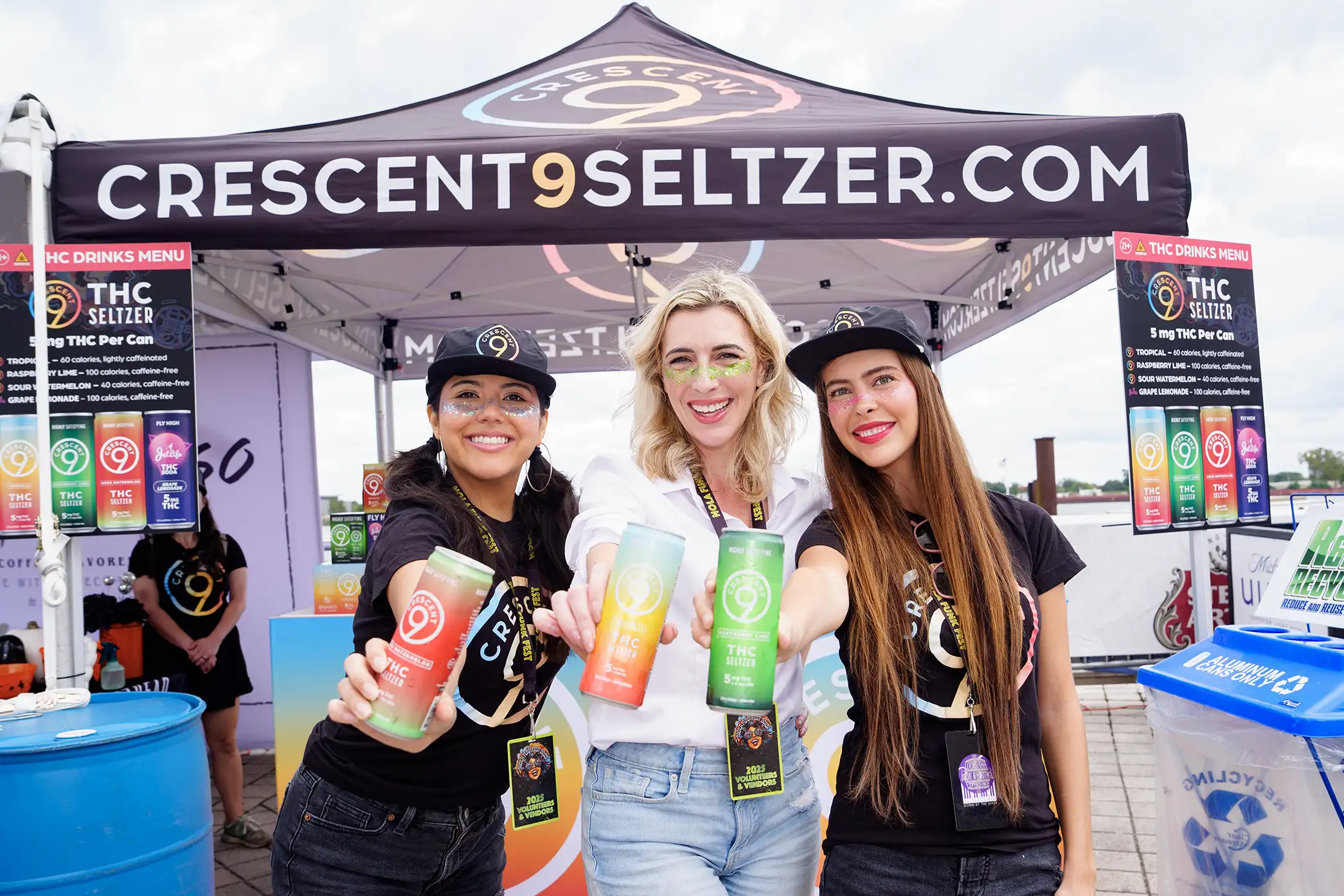
Crescent 9 THC Seltzer didn’t chase national distribution from the beginning. It started by proving demand in its hometown of New Orleans.
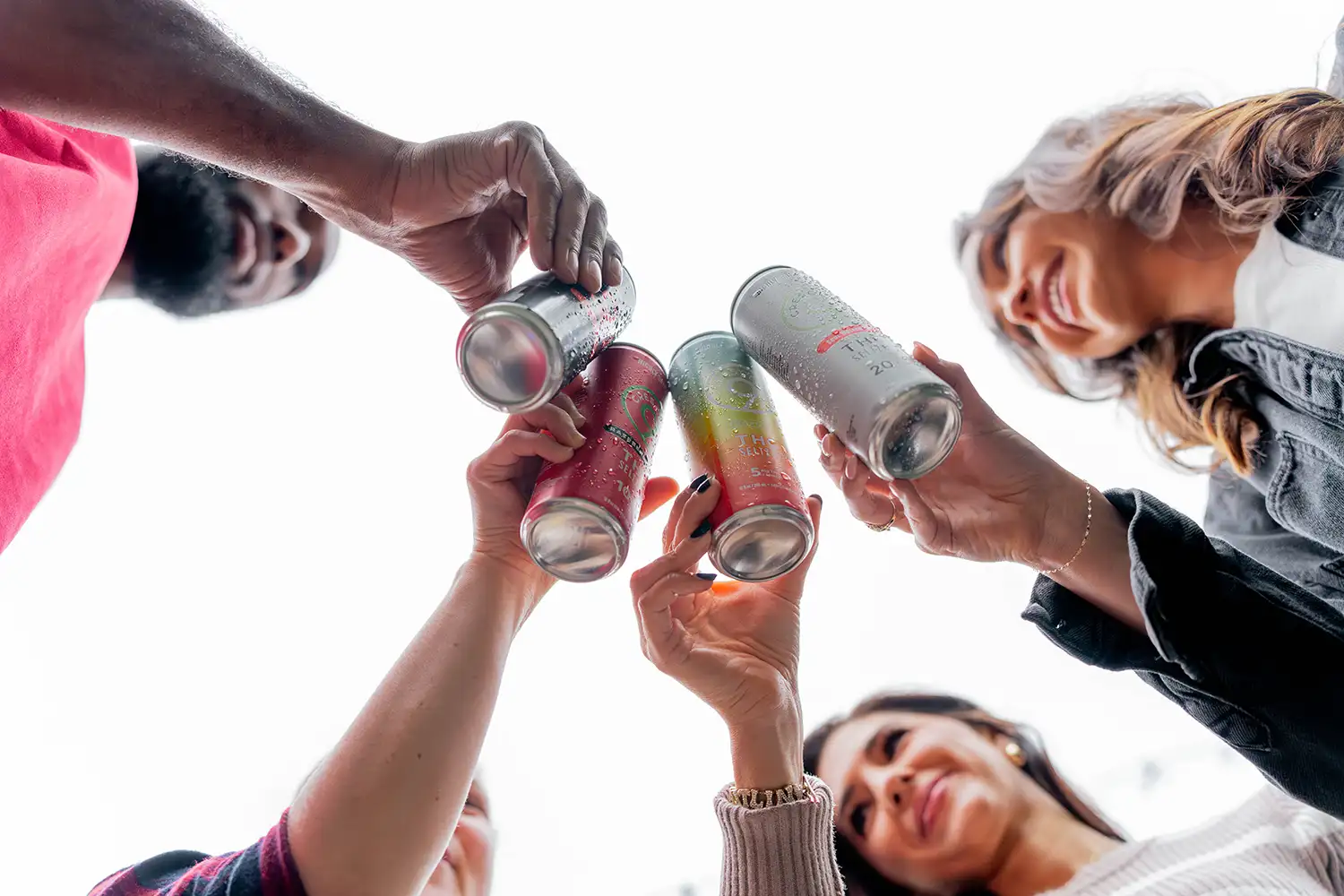
The brand introduced consumers to THC beverages through festivals, bars, restaurants, concerts, and local events where adults could try the product in social settings. That created word of mouth and helped establish Crescent 9 as a recognizable local beverage brand, not just another online THC company.
From there, Crescent 9 expanded into independent retailers across Louisiana. As velocity climbed, the company built the track record distributors care about: repeat retailer orders, growing case sales, and expanding retail placements.
Only after showing sustained local demand did Crescent 9 begin pushing into additional states. Instead of relying on projections, the company could give distributors sales data, established retail accounts, and documented consumer demand.
Crescent 9 is now one of the country’s leading THC beverage brands. That growth started with local marketing, community partnerships, and measurable retail success, not a national sales pitch.
Start Before the Meeting
If you wait until the meeting to make your case, you’re already behind. The brands that land distribution deals have been building their case for months through local marketing, retailer relationships, consumer demand, and documented sales performance.
By the time you sit down with a distributor, the conversation shouldn’t be about whether the product might sell but about how quickly they can get it onto more shelves.